



This process establishes a foundation for informed decision-making and helps clarify your operational successes and failures. Supply chain disruptions can have severe financial implications for businesses, especially if they heavily rely on specific suppliers or production facilities. A case study involving a manufacturing company illustrates the importance of having alternative suppliers and backup production facilities.

Overview of Common Assessment Tools
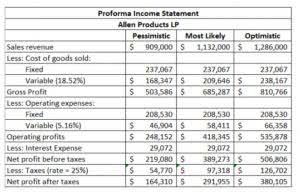
It is a critical function that helps organizations protect their financial assets, make informed decisions, and maintain stability even during economic uncertainty or market turbulence. It is important to note that these tools and techniques should be tailored to the specific needs and characteristics of each business. Additionally, regular review and updates of risk assessment practices are essential to ensure their effectiveness in an ever-changing business environment.
AI Diagnostic Tools for Radiology
Aaron Lancaster is a Manager of Partner Solutions at AuditBoard, where he serves as a product and industry expert to support AuditBoard’s alliance members. Aaron has more than 15 years of experience in internal audit, risk management, organizational controls, compliance, and business process improvement with primary focus on financial services. Market risks have to do with capital markets and financial markets as a whole, such as a risk in a particular sector or geopolitical effects on macroeconomic conditions. High interest rates in the market discourage people from taking out loans and encourage savings, providing a potential risk to lenders and banks’ revenue. Market risks are difficult to predict and may come about suddenly, but maintaining a strong FRM program can keep your organization vigilant and prepared. Financial risk analysis is the process of assessing the likelihood of an adverse event such as cash flow insufficiency occurring within the corporate or in a government sector.
Streamline your crypto exchange account setup process

As illustrated in Table IX, there is a noticeable trend toward integrating public datasets with finance-specific datasets during the pretraining phase. Notably, BloombergGPT exemplifies a model trained on a corpus that consists of an equal mix of general text and finance-related content. It is important to highlight that BloombergGPT primarily utilizes a subset of 5 billion tokens specifically related to Bloomberg, which constitutes only 0.7% of the total training corpus. This focused corpus significantly contributes to the performance enhancements observed in finance benchmarks 226.
- Specifically, Beasley et al. 151 utilize an ordinal logistic regression model to illustrate that effective enterprise risk management (ERM) necessitates strong leadership.
- Continuous monitoring of vendor performance ensures ongoing alignment with risk mitigation strategies.
- For instance, while one sector may be underperforming, another might be thriving, ensuring that the portfolio remains resilient.
- A bank risk assessment helps financial institutions identify, evaluate, and mitigate risks to protect assets, ensure regulatory compliance, and safeguard their reputation.
- Banks must also establish clear accountability by assigning dedicated risk managers to oversee mitigation efforts and ensure compliance with regulatory requirements.
C. Overview of the assessment process
- Liquidity risk is somewhat like the inverse of credit risk, in which the organization is unable to meet its financial obligations or make payments — due to a lack of cash or funds.
- Another critical factor is credit risk, which arises when a borrower fails to meet their financial obligations.
- Changes in interest rates can lead to fluctuations in bond prices, impacting overall portfolio returns.
- By carrying out due diligence, organizations can obtain loans that have lower borrowing costs, which, in turn, are aligned with their financial forecasts.
By employing these models, investors can gauge the likelihood of extreme market movements and adjust their portfolios accordingly. Another critical factor is credit risk, which arises when a borrower fails to meet their financial obligations. This risk is particularly online bookkeeping relevant for fixed-income assets, such as bonds, where the issuer’s creditworthiness directly impacts the asset’s value.
Implementing Risk Management Strategies
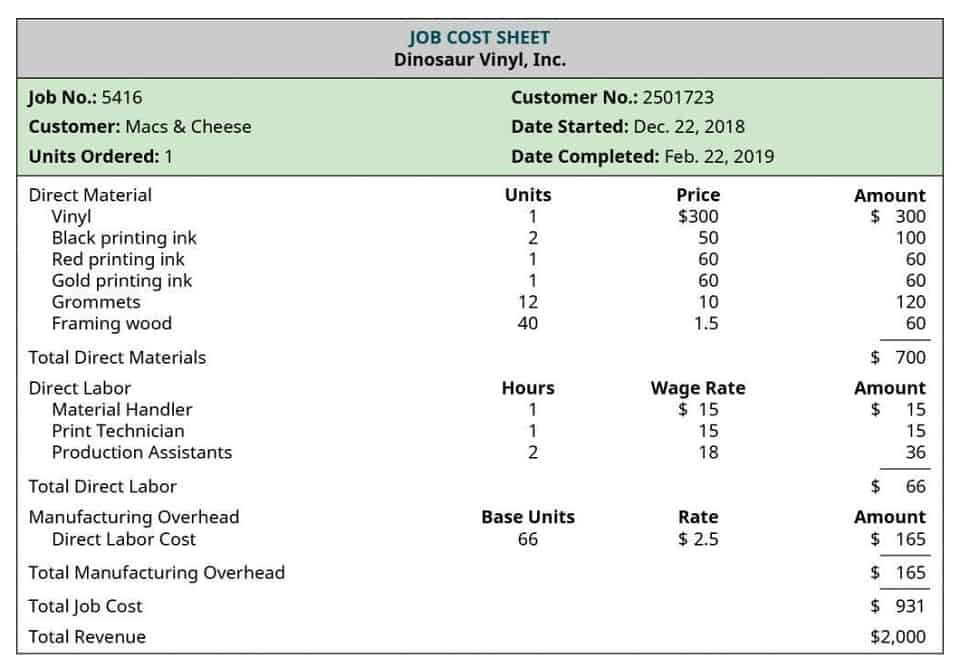
For example, a high level of debt or a decline in sales can indicate a risk of financial distress or liquidity problems. By recognizing these red flags, businesses can take necessary actions to address them before they escalate into more Retained Earnings on Balance Sheet significant issues. Financial risk analysis is all about evaluating the likelihood of a threat occurring and assessing its potential impact. This process is crucial in risk management because it helps businesses anticipate financial threats and prepare to mitigate them before they cause significant damage. Financial risk assessment is not a one-time task but a continuous process that requires regular monitoring, updates, and adaptation to reflect changes in the business environment and emerging risks.
- For example, if you run a manufacturing company, your expenses may include raw materials, labor costs, rent, utilities, and marketing expenses.
- The integration of natural language processing enables these systems to analyze unstructured data from news articles, social media posts, and financial reports for comprehensive risk assessment.
- For financial institutions looking to enhance their risk management strategy, VComply provides a comprehensive solution.
- Credit risk involves the potential for loss due to a borrower’s failure to repay a loan or meet contractual obligations.
- However, decision-making should also factor in market trends, macroeconomic conditions, and financial variables.
Understanding Key Basics and Examples of Accounts Receivable Terms
Table VII presents the core formulas of the primary machine learning models discussed in this section, along with explanations of the parameters involved. Figure 7 illustrates the general pipeline of machine learning models as applied to enterprise risk analysis. Financial risk refers to the potential for an enterprise financial risk to incur losses due to unpredictable or uncontrollable factors, leading to a discrepancy between actual and expected income in various financial activities.

Additionally, considering international oil prices, Maghyereh et al. 154 implement the Delta CoVaR method to measure systemic risk within the banking systems of Gulf Cooperation Council (GCC) countries. While space constraints prevent the inclusion of many other statistical models, these methods also significantly contribute to the understanding of corporate risk. Corporate bankruptcy risk refers to the likelihood that a company may be unable to meet its debt obligations or maintain sufficient funds to sustain its operations, potentially resulting in bankruptcy. Such an outcome can adversely impact the company’s operational continuity, financial stability, and the interests of its stakeholders. To mitigate bankruptcy risk, companies may need to adopt measures such as cost reduction, revenue enhancement, and the development of comprehensive financial strategies.